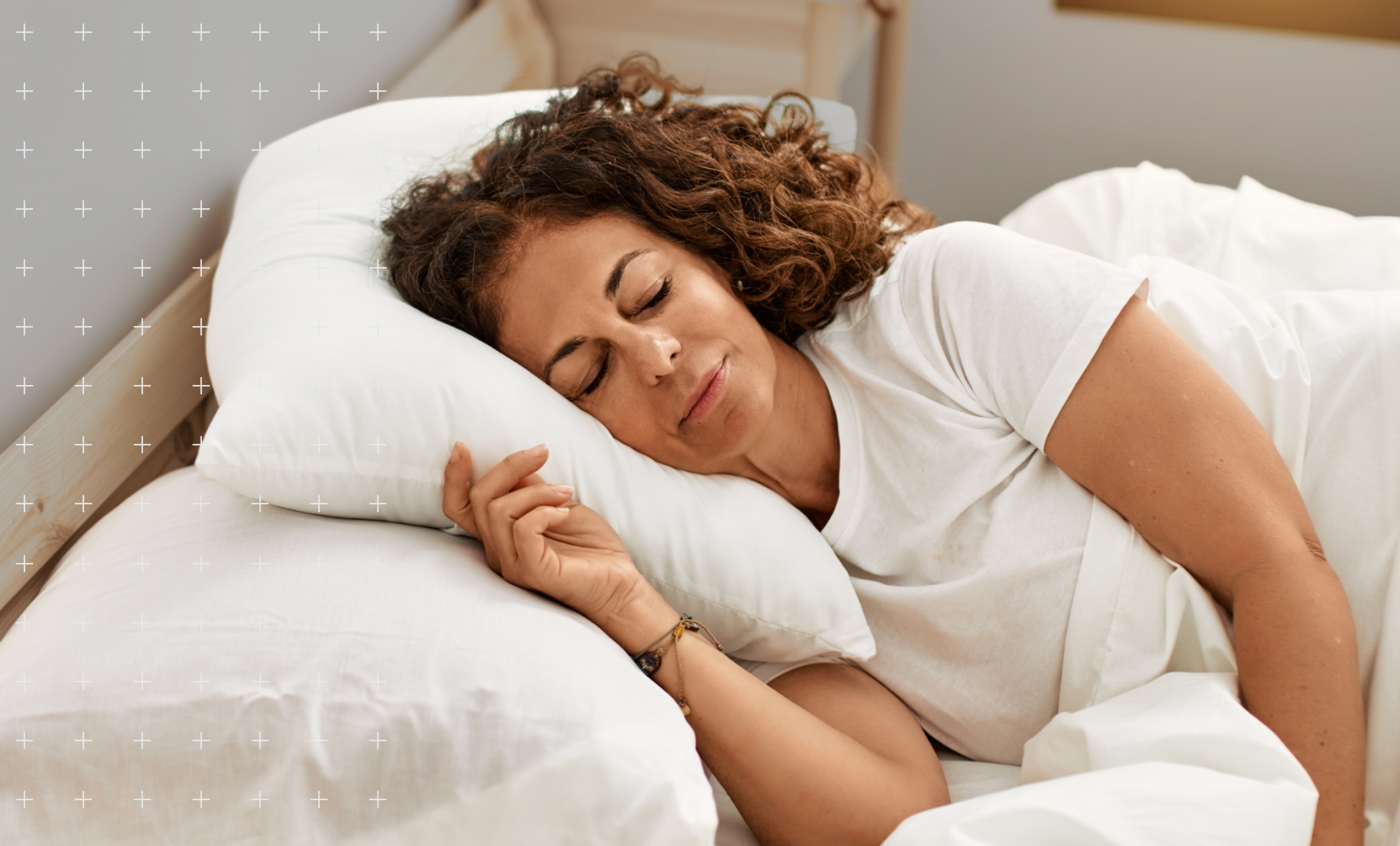
You used to be able to go to sleep at a normal time and sleep through the night. Now you wake up soaked in sweat at 2 a.m. or—even worse—lie awake for hours at a time because you can’t fall asleep. What’s going on?
Menopause and sleep problems often go hand-in-hand. According to the CDC, 56% of perimenopausal women sleep less than 7 hours a day, compared to 32.5% of premenopausal and 40.5% of postmenopausal women. People in the menopausal transition are more likely to have trouble falling asleep and staying asleep. You’re not imagining the changes; you’re experiencing normal symptoms of menopause.
TL;DR
Menopause sleep problems are common and treatable. Shifting estrogen and progesterone trigger night sweats and hot flashes that wake you up, and they also raise the risk of insomnia and sleep apnea. According to the CDC, 56% of women in perimenopause sleep less than 7 hours a night. A cooler bedroom and a steady sleep schedule can help, and proven treatments include CBT for insomnia, hormone therapy, and newer non-hormonal prescriptions.
How does menopause affect sleep?
Perimenopause (a.k.a. the transitional period leading up to menopause) is a time when your ovaries gradually produce less estrogen and progesterone. These hormonal changes impact more than just your menstrual cycle — they can influence your sleep patterns, too.
Estrogen helps regulate the body’s sleep-wake cycle, keeping you feeling rested. As the production of estrogen declines, often irregularly or erratically during perimenopause, your natural sleep cycle can become disrupted. Not to mention, estrogen withdrawal is associated with hot flashes and night sweats, two symptoms that make trying to sleep uncomfortable, sometimes even impossible.
Progesterone, another hormone in decline during the menopausal transition, has a sleep-promoting effect. When your body doesn’t produce as much progesterone, this can cause sleep disturbances, from less restful sleep to shorter sleep time.
Common menopause sleep symptoms
Some of the most common menopause sleep symptoms include hot flashes, night sweats, sleep apnea, mood changes, difficulty falling asleep or staying asleep, and waking too early. Many people will experience at least one of these symptoms during menopause, but it’s not uncommon to experience multiple symptoms at once.
Night sweats and hot flashes at night
80% of menopausal women report experiencing hot flashes. Hot flashes usually start with a sudden heat surge across your neck, face, and chest. This can lead to profuse sweating, sometimes so bad that it soaks through the sheets. After the hot flash passes and you’re covered in perspiration, it’s not uncommon to experience chills that add to the discomfort.
What causes these symptoms? Estrogen withdrawal prompts heat-dissipation responses such as vasodilation and sweating. Or, in other words, your body can’t properly regulate temperature, making you feel uncomfortably hot.
Insomnia and 3 a.m. wake-ups
You know those nights when it seems like sleep is the last thing your body wants to do? You either can’t fall asleep, you keep waking up, or you’re up before the sunrise and can’t get back to sleep. There’s a chance you’re dealing with menopause insomnia, which negatively impacts sleep duration and quality. A CDC survey found that 35.9% of postmenopausal and 30.8% of perimenopausal women experience trouble staying asleep most nights.
Sleep apnea
Sleep apnea is a breathing disorder where normal breathing is disrupted during sleep. Approximately 20% of midlife women develop sleep apnea while in the menopausal transition due to hormonal changes.
Symptoms of sleep apnea include insomnia, morning headaches, and daytime fatigue, as well as loud snoring.
Anxiety, low mood, and racing thoughts
70% of women say menopause has affected their mood or mental health, while research has shown that menopausal transition is a high-risk period for mental health, even among women with no prior history of depression.
Have you ever experienced a terrible night’s sleep and woken up cranky and irritable the next day? Or maybe you felt down and disinterested in your usual activities. This is another downside of losing sleep due to menopause. Hormone fluctuations contribute to disruptive sleep, and poor sleep worsens mood and concentration. Together, these two things create a negative feedback loop: you are more likely not to sleep well, and lack of sleep affects your mood, which can also affect your sleep.
Daytime fatigue
We’ve all had those days where we can’t seem to keep our eyes open, and all we want to do is nap. If this is happening frequently, it’s likely menopause fatigue. Menopause fatigue is the feeling of ongoing physical and mental exhaustion that even rest can’t satisfy. Being tired is one thing — fatigue is more like feeling completely depleted of energy. It can affect your ability to function at work, maintain daily routines, and even how you manage your relationships.
How long do menopause sleep problems last?
This depends on a variety of factors. For some people, perimenopause insomnia could last throughout the entire menopausal transition, from seven to ten years. It’s even possible that these symptoms will continue after menopause, when you’ve had your last period.
The Study of Women's Health Across the Nation (SWAN) found that hot flashes and night sweats last a median of just over seven years for all study participants. According to the same study, the median duration of symptoms for Black women was 10 years.
After menopause, sleep problems tend to stabilize or get better for the majority of people. However, even after the menopausal transition, you may find that sleep problems can stick around. 36% of postmenopausal women between the ages of 40 and 59 have a high rate of trouble staying asleep.
How to sleep better during menopause
Knowing that you might have to deal with sleep problems throughout your menopause transition can be a hard pill to swallow. We all want to go to sleep easily and sleep restfully through the night. Even though you don’t have control over the natural changes of aging, there are still steps you can take to get a better night’s sleep.
- Keep your bedroom cool for those nights you need to throw off your covers during a hot flash.
- Use layered, breathable bedding and moisture-wicking sleepwear that will help regulate your body temperature.
- Keep a glass of water nearby to help you cool down. A cooling pillow or mattress topper can also be a handy addition to your sleep setup.
- Limit your intake of alcohol, caffeine, and spicy food in the evening.
- Practice good sleep hygiene by keeping a consistent bedtime and wake time.
- Move your body with gentle exercise, especially earlier in the day.
- Create a relaxing, mindful wind-down routine that puts you in the right mindset for falling asleep.
- Track sleep and night sweats with a journal or wearable so you can share this information with your care provider.
Treatments for menopause sleep problems
Other than practicing good sleep hygiene and following the tips above, there may be other treatment options for your specific sleep problems. As always, the best thing you can do is consult with a clinician to build an individualized treatment plan that takes your symptoms and lifestyle into consideration.
Cognitive behavioral therapy for insomnia (CBT-I)
(CBT-I) works by changing thoughts and behaviors around sleep, and has been shown to improve sleep in perimenopausal and postmenopausal women with insomnia and hot flashes. For example, CBT-I might encourage you to use your bed only for sleep, initially limiting time in bed to match actual sleep time, and addressing anxiety about sleep itself. This is often recommended as the first-line treatment for adults with chronic insomnia.
Hormone therapy
Since the root cause of perimenopausal fatigue is fluctuating hormone levels, hormone therapy can help treat symptoms by providing your body with hormones. If sleep problems are disrupting your day-to-day life, your mood, or overall health, this could be a clear sign you need hormone replacement therapy.
Hormone therapy has additional benefits beyond sleep, including preserving muscles and bones, regulating mood, and reducing disruptive hot flashes. If you're interested in hormone therapy, discuss your options with your care provider.
Non-hormonal prescription options
There are other, non-hormonal prescription treatment options that can help get your sleep patterns back on track. Fezolinetant (Veozah) and elinzanetant (Lynkuet) are NK-receptor antagonists that help minimize hot flashes and improve disrupted sleep. Gabapentin has been associated with reducing hot flash frequency and severity as well.
Certain SSRI and SNRI antidepressants can help improve sleep, especially among those experiencing anxiety or mood changes. Sleeping pills are far less likely to be recommended for regular use due to a high risk of addiction.
Sleep aids and supplements
Over-the-counter sleep aids or supplements like melatonin, magnesium, vitamin D, vitamin B12, and iron may be useful for short-term use. However, many supplements and “natural” remedies on the market claim to support sleep health, but aren’t rigorously tested for safety and effectiveness. Always talk with your doctor before starting any sleep aid or supplement, especially if you already take medication.
Bed-level temperature regulation
If hot flashes and night sweats are what keep waking you, cooling the bed itself may provide some relief. Options range from cooling pillows to mattress covers that can adjust the temperature of your bed. One example is the Pod from Eight Sleep, which includes a hot flash setting to quickly cool your side of the bed with a button press. Research from the company shows that having bed-level temperature control led to a 56% reduction in nighttime hot flashes for menopausal women at any stage. Another study from Wake Forest University confirms this effect.
When to talk to a doctor about sleep problems
One bad night of sleep is annoying. Poor sleep most nights lasting several weeks is a sign it’s time to talk to a doctor about sleep problems.
Other signs include:
- Loud snoring or gasping during sleep
- Frequent morning headaches
- Night sweats and hot flashes that disrupt sleep
- Unexplained weight loss
- Persistent low mood or feelings of anxiety
- Sleep loss affecting your work or relationships
Before you attend the appointment, try to collect two weeks of sleep notes or be prepared to provide data from your wearable to share with the clinician. This can help jumpstart your treatment with a more tailored plan.
How Carrot supports menopause sleep symptoms
For working women undergoing menopause, sleep symptoms are as much a nuisance as they are detrimental to productive workdays. A Mayo Clinic study identified that menopause symptoms have a major negative impact on work outcomes, resulting in an estimated $1.8 billion annual loss in the U.S. On a macro scale, this is notable. But even more significant is the impact of menopause sleep symptoms on the micro scale for individuals.
Irritability, lack of concentration, mood changes, fatigue — all of these affect the everyday lives of people going through menopause, greatly impacting their quality of life. You deserve holistic menopause support that takes work, relationships, and lifestyle into account. Carrot connects members with menopause-trained clinicians and specialists, telemedicine for menopause, mental health and nutrition support, and other benefits that make finding the right treatment easier. Members also have access to the Carrot Collective, a curated marketplace of clinically vetted products and exclusive discounts in the Carrot app, including Eight Sleep’s smart mattress cover that helps regulate body temperature overnight.
Rest easier, even during menopause
Sleep problems during menopause are a result of natural biological changes. They may be unavoidable, but they’re also manageable with the right treatment plan.
- Hot flashes, night sweats, insomnia, sleep apnea, mood changes, and daytime fatigue can all contribute to poor sleep in midlife women.
- Adopting better sleep habits can help alleviate some of the negative effects of menopause on sleep. There are also hormonal and non-hormonal treatments that can improve your sleep patterns.
- If menopause sleep problems are seriously affecting your health and lifestyle, speak with a clinician for an individualized treatment option.
Menopause sleep problems are treatable, and support is available. If your employer offers Carrot, you can connect with menopause-trained clinicians who can help you find the right next step, from sleep strategies to hormone therapy. If you’re not sure, here’s how to start the conversation with your employer.